Australia’s Dirty Fuel Problem (2026): What It Means for Your Engine
Most people don’t think much about the quality of their fuel. You pull up, fill up, and drive away.
But right now in Australia, there’s a growing issue that could be costing you more than you realise.
Fuel quality has been temporarily reduced due to supply pressures.
And over time, that can affect your engine, your fuel economy, and your repair costs.
Protect Your Vehicle from Dirty Fuel
Help protect your vehicle from dirty fuel for less than $5 per tank.
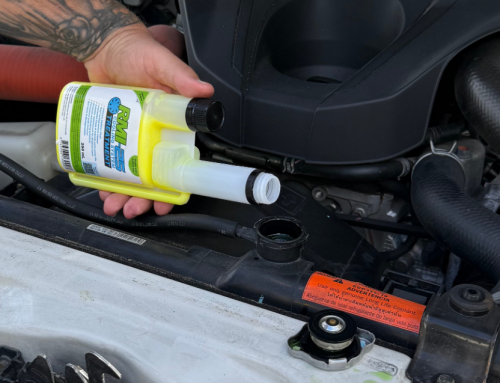
By combining FTC Decarbonizer and Cleanpower Fuel Treatment, you can support cleaner combustion, reduce deposit build-up and maintain smoother engine performance at a very low cost per tank.
Dirty Diesel Additives
Dirty Unleaded Additives
What Do We Mean by “Dirty Fuel”?
“Dirty fuel” doesn’t mean fuel with dirt in it. It refers to fuel with higher sulphur levels, fewer cleaning additives, and a greater tendency to leave deposits inside your engine.
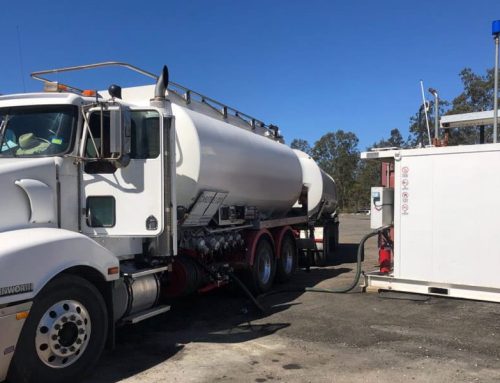
In some cases, contamination such as sludge, water, or debris from storage tanks can also enter fuel supplies—especially after refilling.
Key Issues with Dirty Fuel
- Higher sulphur: Increases deposits and emissions system stress
- Fewer additives: Leads to injector fouling and poor combustion
- More deposits: Causes carbon build-up and performance loss
Australia had previously improved fuel standards, but in 2026, higher sulphur fuel has been temporarily allowed due to supply constraints.
Current vs Temporary Fuel (2026)
| Factor | Current Fuel | Temporary Fuel | Impact |
|---|---|---|---|
| Sulphur Content | Low sulphur, cleaner burn | Higher sulphur allowed | More deposits and emissions stress |
| Octane Use | Optimised for 95/98 | More reliance on 91 | Reduced power and responsiveness |
| Combustion | Efficient burn | Less efficient | Higher fuel use, rough running |
| Injectors | Cleaner systems | Higher fouling risk | Rough idle and hesitation |
| Carbon Build-up | Slower formation | Faster build-up | Efficiency loss and hot spots |
How Additives Help Protect Your Engine
FTC Decarbonizer supports cleaner combustion and reduces carbon deposits.
Cleanpower Fuel Treatment helps maintain injector cleanliness and improve fuel atomisation.
Used together, they help your engine cope better with lower-quality fuel by:
- Reducing carbon build-up
- Improving combustion efficiency
- Supporting smoother performance
- Protecting fuel system components
Important: These products do not increase octane. They help reduce the negative effects of lower-quality fuel.
Final Thoughts
With fuel quality changing in Australia, taking simple preventative steps now can help avoid costly engine problems later.
For just a few dollars per tank, you can maintain performance, efficiency and long-term engine health.